
SOURCING SUPPORT
Need Help With MCP2544FDT-E/MNY?
Contact our sourcing team for current stock, batch information, lead time, technical documents, alternative parts and volume pricing.
Stock & Batch Verification
Confirm available quantity, date code and delivery schedule.
Alternative Part Sourcing
Request compatible or replacement parts when stock is limited.
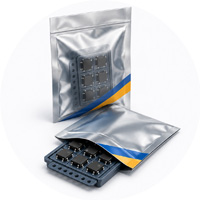
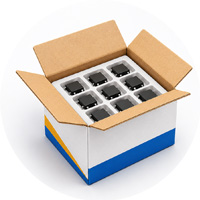
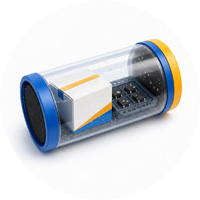
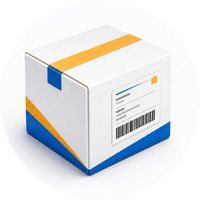
Quality & Packaging Check
Confirm product condition, packaging type and shipment protection before dispatch.
-
Supplier Verification
Supplier review and component quality inspection support.
-
Technical Documents
Datasheet and specification confirmation for engineers.
-
One-Stop BOM Sourcing
Multi-part procurement and shortage sourcing assistance.
Microchip Technology
RFQ AVAILABLE
MCP2544FDT-E/MNY
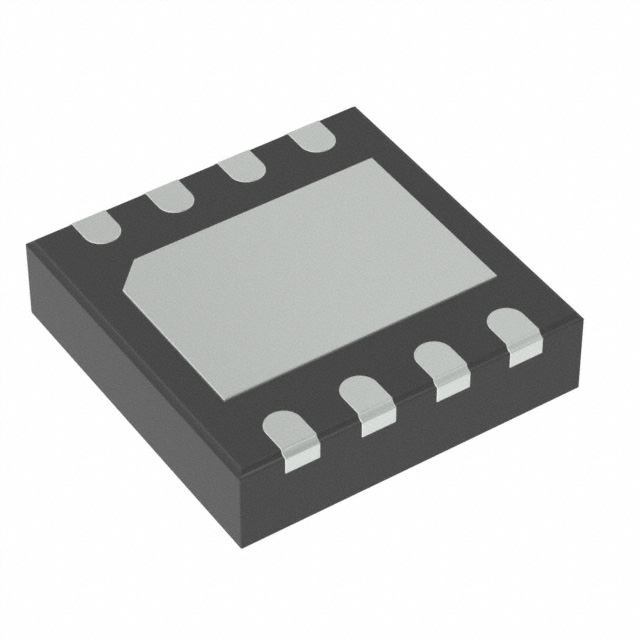
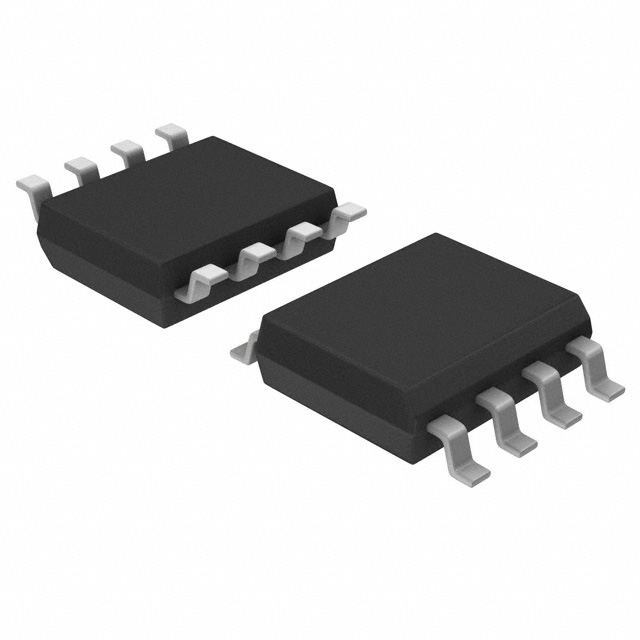
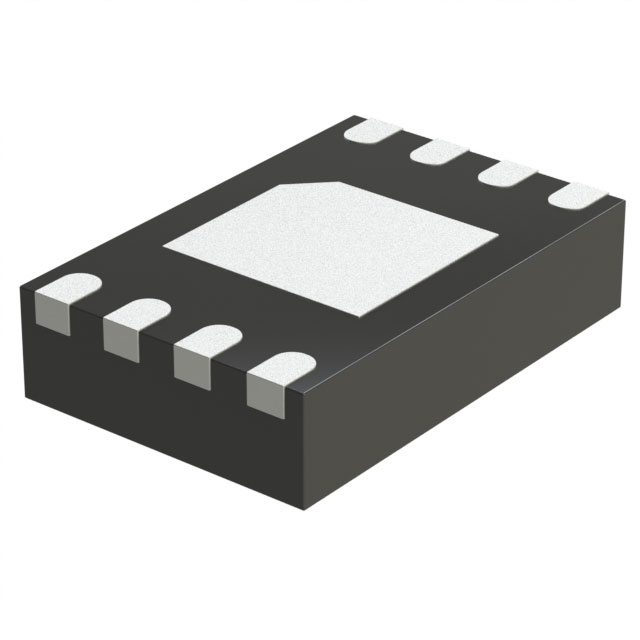
IC TXRX 8-TDFN
- Part Number
- MCP2544FDT-E/MNY
- Manufacturer
- Microchip Technology
- Category
- Drivers, Receivers, Transceivers
- Package
- 8-WFDFN Exposed Pad
- Datasheet:
- MCP2544FDT-E/MNY.pdf
- Description
- IC TXRX 8-TDFN
Select Quantity
Stock:
2,740
| Qty. | Unit Price | Ext. Price |
| 3300+ | $0.41000 | $1353.00 |